Pivka, Marián 1959- Kleine stücke grosser meister, vol. 2 Short pieces, great composers, vol. 2. West Germany PMG ; Costa Mesa, CA PILZ Compact Disc
(distributor) [1988]. Gavotte und 5 variationen /
J.P. Rameau Marián Pivka, piano.
The French harpsichord. Angel [1973]
Rameau, J.P. Suite in A minor. Igor Kipnis, harpsichord.
Rameau, Jean Philippe, 1683-1764. Pièces de clavecin,
Rameau, Jean Philippe,1683-1764. Concerts en sextuor, string orchestra.Selections. Concerts en sextuor :no. 1, 4, 5 [and] 6. Mercury,[1964? Stuttgart Baroque Ensemble; Marcel Couraud, conductor.
Greatest harpsichord hits. Decca[1970 ] Rameau Sylvia Marlowe, harpsichord.
French baroque music for harpsichord. Epic[1964 -Suite in E [minor] by Rameau [from Pièces de clavecin, 1724] Igor Kipnis, harpsichord.
Holiday for orchestra New York :Columbia,[1965?] The hen / Rameau
Percussion, brass, strings and winds of the Philadelphia Orchestra ; Eugene Ormandy, conductor.
Baroque masterpieces for the harpsichord. Mercury, [1965] J.P. Rameau Rafael Puyana, harpsichord.
Treasury of harpsichord music RCA Victor[1957] Rameau, Wanda Landowska, harpsichord.
Ralph Kirkpatrick, Cembalo. Deutsche Grammophon Gesellschaft[1966] Pièces de clavecin: Les tendres plaintes (rondeau); Les niais de Sologne, von J. P. Rameau.
Wednesday, July 23, 2014


Saturday, July 19, 2014
Paul Dukas

Paul Abraham Dukas 1 October 1865 – 17 May 1935 was a French composer, critic, scholar and teacher. A studious man, of retiring personality, he was intensely self-critical, and he abandoned and destroyed many of his compositions. His best known work is the orchestral piece The Sorcerer's Apprentice (L'apprenti sorcier), the fame of which has eclipsed that of his other surviving works. Among these are the opera Ariane et Barbe-bleue, a symphony, two substantial works for solo piano, and a ballet, La Péri.
Hermann Baumann – Dukas: Villanelle for Horn and Orchestra Hermann Baumann & Gewandhausorchester Leipzig & Kurt Masur – French Horn Music
Nikolai Petrov – Variations, Interlude and Finale On The Theme Of Rameau Nikolai Petrov – Works By Rameau, Dukas, Bizet, Saint-Saëns and Ravel
Falla, Manuel de 1876-1946.Homenajes Homage. RCA Victor [1957] To Paul Dukas.--Pedrelliana. Rome Symphony Orchestra; J. J. Castro, conductor.
Leopold Stokowski conducts Seraphim [1977] Dukas. Fanfare [from La péri]
Dukas, Paul, 1865-1935. La péri La péri ; The sorcerer's apprentice P.A. Dukas. Hollywood, CA Capitol, [1956] Orchestra of the Paris Opera ; Robert Benedetti, conductor.
BBC Philharmonic Orchestra Paul Dukas – Symphony in C Major: I. Allegro non troppo vivace, ma con fuoco II. Andante espressivo e sostenuto III. Allegro spiritoso Margaret Fingerhut – Dukas: Essential Paul Dukas (The)
Paul Dukas – Polyeucte
Paul Dukas – Piano Sonata in E-Flat Minor: I. Moderement vif - expressif et marque : II. Calme - un peu lent - tres soutenu III. Vivement, avec legerete
Monday, July 07, 2014
Louis Vierne

Virgil Fox plays the Wanamaker grand court organ, Philadelphia. Command| 1964] Vierne, L. Carillon de Westminister.
A Festival of French organ music Columbia, [1962]
Contains works by Widor, Saint-Saëns, Franck, Gigout, Vierne, Alain, and Dupré.
E. Power Biggs playing the organ at St. George’s Church. New York City.
Organ music from France Capitol[1961]
Scherzo, from Second symphony, by Vierne.Virgil Fox, playing the organ in Riverside Church, New York.
Finale
"Final" Vierne Symphony No. 1, James Welch on the Mormon Tabernacle Organ
The Virtuoso organ Capitol[1959]
--Allegro from the second symphony, by L. Vierne. Virgil Fox, organ.
Martin Jean – The Complete Symphonies of Louis Vierne
Louis Vierne – Organ Symphony No. 3 in F-Sharp Minor, Op. 28: I. Allegro maestoso II. Cantilene
III. Intermezzo IV. Adagio V. Final
Louis Vierne – Organ Symphony No. 4 in G Minor, Op. 32: I. Prelude II. Allegro III. Menuet IV. Romance V. Final
Monday, June 30, 2014
Robert De Visée
Robert de Visée (ca. 1655 – 1732/1733) was a lutenist, guitarist, theorbist and viol player at the court of the French kings Louis XIV and Louis XV, as well as a singer and composer for lute, theorbo and guitar.
Siegfried Behrend, Gitarre. Deutsche Grammophon Gesellschaft [1968] Contains original and arr. works for guitar by De Visée, Suite in D-minor J. S. Bach, Sor, Giuliani, Ambrosius, Behrend, and De Falla. Siegfried Behrend, guitar.
For my true love. Capitol 1958] Includes songs by Falla, Fauré, Dowland, Mignone, Ovalle, J. P. Martini, A. Scarlatti, and J. S. Bach, principally with guitar acc., and lute selections from works by Dowland, R. de Visée, Prelude, French Canadian Folk Song Au Bois du Rossignolet V. Galilei, and J. S. Bach. Salli Terri, mezzo-soprano; Laurindo Almeida, guitar; Martin Ruderman, flute.
Visée, Robert de
La Air du Grand Ballet du Roi, for theorbo (after Lully, from "Ballet de L'Impatience")
Grotte de Versailles Overture (by Lully) Rodrigo Jarabo, Theorbo, Verso
Works 1. Prelude 2.Allemande 3.Courante 4.Sarabande 5.Gavotte 6.Menuet 7.Gigue
Robert de Visée Composer
Suite for 2 theorbos in G Eric Bellocq Guitar, Massimo Moscardo Guitar
Prélude Allemande Gigue Musette Gavotte Chaconne Naxos
Siegfried Behrend, Gitarre. Deutsche Grammophon Gesellschaft [1968] Contains original and arr. works for guitar by De Visée, Suite in D-minor J. S. Bach, Sor, Giuliani, Ambrosius, Behrend, and De Falla. Siegfried Behrend, guitar.
Visée, Robert de Work(s), Suite in G 1. Prelude 2.Allemande 3.Courante 4.Sarabande 5.Gavotte 6.Menuet 7.Gigue Yasunori Imamura, Theorbo Capriccio
For my true love. Capitol 1958] Includes songs by Falla, Fauré, Dowland, Mignone, Ovalle, J. P. Martini, A. Scarlatti, and J. S. Bach, principally with guitar acc., and lute selections from works by Dowland, R. de Visée, Prelude, French Canadian Folk Song Au Bois du Rossignolet V. Galilei, and J. S. Bach. Salli Terri, mezzo-soprano; Laurindo Almeida, guitar; Martin Ruderman, flute.
Visée, Robert de Suite for guitar in C-, 1. Prélude 2.La Plainte - ou Tombeau de Mesdemoiselles de Visée, Allemande de M'leur Père 3.Courante 4.Sarabande 5.Gigue
Yasunori Imamura
La Ménetou de Mr F Couperin Yasunori Imamura, Theorbo CapriccioVisée, Robert de
La Air du Grand Ballet du Roi, for theorbo (after Lully, from "Ballet de L'Impatience")
Grotte de Versailles Overture (by Lully) Rodrigo Jarabo, Theorbo, Verso
Works 1. Prelude 2.Allemande 3.Courante 4.Sarabande 5.Gavotte 6.Menuet 7.Gigue
Robert de Visée Composer
Suite for 2 theorbos in G Eric Bellocq Guitar, Massimo Moscardo Guitar
Prélude Allemande Gigue Musette Gavotte Chaconne Naxos
Monday, June 23, 2014
Charles Marie Widor
Widor, Charles Marie, 1844-1937.

In January 1870, with the combined lobbying of Cavaillé-Coll, Saint-Saëns, and Charles Gounod, the 25-year-old Widor was appointed as "provisional" organist of Saint-Sulpice in Paris, the most prominent position for a French organist. The organ at St-Sulpice was Cavaillé-Coll's masterwork; the instrument's spectacular capabilities proved an inspiration to Widor. Despite his job's ostensibly "provisional" nature, Widor remained as organist at St-Sulpice for nearly 64 years, until the end of 1933. He was succeeded in 1934 by his former student and assistant, Marcel Dupré.
Symphonies, organ, no. 9, op. 70, C minor Symphonie gothique, no. 9 Symphonie romane, no. 10/ Charles Marie Widor. New York : Classic Editions, [195-?] Clarence Watters, organ (1st work) ; William Self, organ (2nd work) Recorded on the Trinity College Chapel Organ, Hartford, Conn. (1st work) and the All Saints Church Organ, Worcester, Mass. (2nd work)
Here the legendary organist Charles Marie Widor plays his most-famous work, Toccata from 5th Symphony. http://youtu.be/J8vz1D_L_OE
Monday, June 09, 2014
Roussel
Roussel, Albert, 1869-1937. Sinfonietta, string orchestra, op. 52 Sinfonietta op. 52, for string orchestra Chicago Philips [1968?] I Musici.
Roussel, Albert Charles Paul1869-1937. Symphonies,no. 3, op. 42,G minor Symphony no. 3, in G minor, op. 42. Symphony no. 4, in A major, op. 53 Epic [1966] Lamoreux Orchestra; Charles Munch, conductor.
Roussel, Albert, 1869-1937. Festin de l'araignée. Le festin de l'araignée;|bsymphonic fragments from the ballet-pantomime, op.17.Sinfonietta, op.52. Angel, [1965] With the composer's Bacchus et Arione (Ballet) Suite, no.2. Orchestre de la Société des concerts du Conservatoire, Paris; André Cluytens, conductor.
Roussel, Albert, 1869-1937. Festin de l'araignée. Le festin de l'araignée; symphonic fragments from the ballet-pantomime, op.17. Sinfonietta, op.52. Angel [1965] With the composer's Bacchus et Arione (Ballet) Suite, no.2. Orchestre de la Société des concerts du Conservatoire, Paris; André Cluytens, conductor.
Roussel, Albert Charles Paul1869-1937. Symphonies,no. 3, op. 42,G minor Symphony no. 3, in G minor, op. 42. Symphony no. 4, in A major, op. 53 Epic [1966] Lamoreux Orchestra; Charles Munch, conductor.
Roussel, Albert, 1869-1937. Festin de l'araignée. Le festin de l'araignée;|bsymphonic fragments from the ballet-pantomime, op.17.Sinfonietta, op.52. Angel, [1965] With the composer's Bacchus et Arione (Ballet) Suite, no.2. Orchestre de la Société des concerts du Conservatoire, Paris; André Cluytens, conductor.
Roussel, Albert, 1869-1937. Festin de l'araignée. Le festin de l'araignée; symphonic fragments from the ballet-pantomime, op.17. Sinfonietta, op.52. Angel [1965] With the composer's Bacchus et Arione (Ballet) Suite, no.2. Orchestre de la Société des concerts du Conservatoire, Paris; André Cluytens, conductor.
Saturday, June 07, 2014
Paray

Paul Paray was born in Le Tréport in 1886. His father, Auguste, was a sculptor and organist at St. Jacques church, and leader of an amateur musical society. He put young Paul in the society's orchestra as a drummer. Later, Paul Paray went to Rouen to study music with the abbots Bourgeois and Bourdon, and organ with Haelling. This prepared him to enter the Paris Conservatoire. In 1911, Paray won the Premier Grand Prix de Rome for his cantata Yanitza.
As World War I started, Paray heeded the call to arms and joined the French Army. In 1914, he was a prisoner of war at the Darmstadt camp, where he composed a string quartet.
After the war, Paray was invited to conduct the orchestra of the Casino de Cauterets, which included players from the Lamoureux Orchestra. This was a springboard for him to conduct this Orchestra in Paris. Later he was music director of the Monte Carlo Orchestra, and president of the Concerts Colonne.
In 1922, Paray composed music for the Ida Rubinstein ballet Artémis troublée. That year he and the Spanish violinist Manuel Quiroga premiered his Violin Sonata. In 1931, he wrote the Mass for the 500th Anniversary of the Death of Joan of Arc, which was premiered at the cathedral in Rouen to commemorate the quincentenary of Joan of Arc's martyr death. In 1935, he wrote his Symphony No. 1 in C major, which was premiered at the Concerts Colonne. He composed his Symphony No. 2 in A major in 1941.
Paray made his American debut with the New York Philharmonic-Symphony Orchestra in 1939. In 1952, he was appointed music director of the Detroit Symphony Orchestra, conducting them in numerous recordings for Mercury Records' "Living Presence" series. Following his departure from Detroit in 1963, Paray returned to France and maintained a healthy international guest-conducting career. He was in his tenth decade when he made his last conducting appearance in the United States, leading the Orchestra of the Curtis Institute of Music in Philadelphia. A report in Musical America noted: "Now ninety-two, Paray brings to the podium not only a reputation as one of the great conductors of our time, but strength, energy, and a solid technique that have not diminished through the years."
Paray could and did conduct the entire orchestral repertoire well, but he specialized in the French symphonic literature. One of Paray's most renowned recordings, made in October 1957, is that of the Saint-Saëns' Symphony No. 3 in C minor "Organ". The circumstances surrounding the recording were fortuitous. Paray had built the Detroit Symphony Orchestra into one of the world's most distinguished. Marcel Dupré, a friend and fellow student from childhood, was organist for the session. Dupré, as a young student, had pulled the organ stops for the composer Camille Saint-Saëns in a performance of the Symphony No. 3 in Paris, and the organ of Ford Auditorium in Detroit was well suited to the work. As well as being among the most authoritative readings of the work, the original analogue recording on the Mercury label remains an audiophile reference in vinyl, and the analogue-to-digital transfer produced by the original recording director Wilma Cozart for compact disc is also available from Mercury (recording number 432 719-2).
He married Yolande Falck in Cassis, France, on 25 August 1942. He was a National Patron of Delta Omicron, an international professional music fraternity.
The government of France awarded him its highest honor, the Grand-Croix de la Légion d'honneur, in 1975. He died in Monte Carlo in 1979, aged 93.
Schumann, Robert, 1810-1856. Symphonies,|nno. 1, op. 38,|rB? major Symphony no. 1, in B Flat major, op. 38 (Spring) Manfred overture op. 115. Mercury, [1959]
Detroit Symphony Orchestra; Paul Paray conductor. Recorded in the Henry and Edsel Ford Auditorium, Detroit.
Bouquet de Paray. Mercury, [1959] William Tell overture, by Rossini.--Danse macabre, by
Saint-Saëns.--Invitation to the dance, by Weber.--Mephisto waltz, by Listz. Detroit Sympnony Orchestra; Paul Paray, conductor. Recorded in the Ford Auditorium, Detroit. Emil Telmanyi, using Vega bow J.S. Bach's Partita No.2, "Chaconne" Recorded in 1953
Digitally remastered in 2003
Paray, Paul, 1886-1979 .
Messe du cinquième centennaire de la mort de Jeanne d'Arc
Mass for the 500th anniversary of the death of Joan of Arc
Chicago, Ill. Mercury, 1957. Frances Yeend, soprano ; Frances Bible, mezzo-soprano ;
David Lloyd, tenor ; Yi-Kwei-Sze, bass ; Detroit Symphony Orchestra ; Rachkam Symphony Choir ; Paul Paray, conductor. Recorded in the Henry and Edsel Ford Auditorium, Detroit,
Oct. 20, 1956.
The White Stripes, "The Hardest Button to Button" Elephant
Suppé, Franz von, 1819-1895. Overtures.| Selections Overtures. Mercury, [1960]
The Beautiful Galatea.--Pique Dame--Light cavalry-- Detroit Symphony Orchestra; Paul Paray, conductor. Recorded in the Cass Technical High School, Detroit.
Sunday, June 01, 2014
The French Revolution

From high atop beautiful place de la Revolution in France, it's time once again for Sadko's World of Music. The role of Sadko today is being played by Maximilian Robespierre. Scooter the Wonder Dog will be played by Jean-Paul Marat. The role of the Bobsie Twins is being played by Marie Antoinette and Anna Maria Albergetti . The role of Ken Moss is being played by King Louis XVI. The role of Brian Carpenter is being played by Jacques Necker. In the third half of the program, the role of Lenny the Listener will be played by Charles Maurice de Talleyrand-Périgord.
The Music of the French Revolution and other Uprisings
Revolution Medley feat. Beatles, Red Army Chorus,
Songs of the Russian Revolution Hollywood, Calif Melodiya/Angel, [1970]. From out of the forest -- Cavalry song -- Song of the barge-haulers -- Let us remember, comrades -- The voice of the earth -- Native land Soviet Army Chorus & Band ; Boris Aleksandrov, conductor.
World War 1 Soldiers Song ~ Mademoiselle From Armentieres
"Weather Report-Unknown Soldier"
Songs of the Russian Revolution Hollywood, Calif Melodiya/Angel, [1970]-- Song of the machine-gun cart - - The cliff -- Ah, Nastasya. Soviet Army Chorus & Band ; Boris Aleksandrov, conductor.
FRENCH REVOLUTION SONGS [late XVIII century]
I. Hymne à l'hyver -II. Poursuite et retour de la Famille Ci-devant Royale - III. Chanson nouvelle -IV. Complainte de Louis XVI aux Français et Parodie de la complainte - V. Un pain d'quatr' livres - Arnaud Marzorati (baritone) Jean-François Novelli, Hughes Primard, Arnaud Ledu (tenor) Stéphanie Paulet (violin)
Mélanie Flahaut (flageolet & bassoon) Michel Godard (serpent) Céline Frisch (harpsichord)
Joël Grare (percussion) Les Lunaisiens / Arnaud Marzorati (conductor)
Friday, May 23, 2014
Jean-Jacques Rousseau
From
high atop beautiful downtown Rouses, New York, it's time once
again for Sadko's World of Music. The role of Sadko today is being
played by Henri Rousseau. Scooter the Wonder Dog will be played by Marius Russo. The role
of the Bobsie Twins is being
played by Rene Russo and Mel Gibson . The role of Ken Moss is
being
played by Anthony Russo . The role of Brian Carpenter is being played by Joe Russo. In the third half of the
program, the role of
Lenny the Listener
will be played by John A. Russo. Our featured French composer is:
Jean-Jacques Rousseau
Philosopher Jean-Jacques Rousseau's work in music is little known today, but he managed to create and sustain an atmosphere of conflict in the world of French opera during the mid-eighteenth century. Since Rameau, the reigning master of tragédie lyrique at the Opéra, declared one of Rousseau's early operas "the work of a musical ignoramus," Rousseau launched a lifetime vendetta against the traditions of French opera. The primacy of tragédie lyrique was shaken for a few years after Pergolesi's light comedy La serva padrona was presented in Paris in 1752. Rousseau's brief Le devin du village (The village soothsayer), which was written in a similar, simple, Italianate style to a libretto by the composer, extolling the joys of rustic romance, was premiered the same year. It could hardly have demonstrated a greater contrast with Rameau's elaborate, rigorously mannered (and very long) operas based on mythology or ancient history. Rousseau's opera was a popular success, and while it did not succeed in displacing Rameau's aesthetic, it remained in the repertoire until the early nineteenth century.
Jean-Jacques Rousseau – Le printemps di Vivaldi: I. Allegro II. Largo III. Allegro
Barthold Kuijken – Flute Recital: Kuijken, Barthold - Bach, J.S. / Hotteterre, J. / Weiss, S.L. / Rousseau, J.-J. / Bach, C.P.E. / Fischer, J.C.
Doron Braunshtein – Jean-Jacques Rousseau – Words Are My Home
Cantus Firmus Kammerchor & Consort; Gabriela Bürgler, soprano; Michael Feyfar, tenor; Dominik Wörner, baritone; Andreas Reize, conductor This production, by rising young performers in the first year of an annual summer opera festival at the Swiss Castle Waldegg, is classified as a live performance, but it is almost completely free of the drawbacks of live recordings: no coughing or clapping, no clumping feet or fade-outs as the singers move around, and good balance between singers and orchestra.
Jean-Jacques Rousseau – Le devin du village: Ouverture Scene 1: J'ai perdu tout mon bonheur (Colette) Scene 2: Pedrai-je Colin sans retour? (Colette, Le Devin) Jean-Jacques Rousseau – Le devin du village: Scene 2: Air: Si des galants de la ville (Colette, Le Devin) Air: L'amour croit s'il s'inquiete (Le Devin, Colette) Scene 3: J'ai tout su de Colin (Le Devin) Scene 4: L'Amour et vos lecons (Colin, Le Devin)
Scene 5: Gai Scene 5: Air: Je vais revoir ma charmante Maitresse (Colin) Scene 6: Je l'appercois (Colin, Colette) Scene 6: Air: Ta foi ne m'est point ravie (Colin, Colette) Scene 6: Duet: Tant qu'a mon Colin (Colette, Colin) Scene 6: Ensemble: A jamais Colin (Colin, Colette) Scene 7: Je vous ai delivres (Le Devin, Colin) Scene 7: Venez, jeunes garcons (Le Devin) Scene 8: Entree de la jeunesse du Village Scene 8: Colin revient a sa Bergiere (Chorus) Scene 8: Pastorelle pour le villageois Scene 8: Romance: Dans ma cabane obscure (Colin) Scene 8: Pantomime Scene 8: Il faut tous a l'envi nous signaler ici (Le Devin, Colin)
Scene 8: Souvent une flamme cherie (Colin, Le Devin, Chorus) Scene 8: Avec l'objet de mes amours (Colette, Chorus) Scene 8: Menuet et Allemande Scene 8: Allons danser sous les ormeaux (Colette, Chorus)
Arpeggione Kammerorchester Hohenems – Promenade avec Jean-Jacques Rousseau – Jean Balissat - Jean Perrin: Œuvres pour orchestre à cordes
Llambías X Wazzabi – Jean-Jacques Rousseau Skriver I Begyndelsen Af Sine Bekendelser – Monte Lema
Jafni – First-Second
 Wandering – Muses of a Lone Wanderer - Hommage À Jean-Jacques Rousseau
Michael Sheen – Confessions: 'Friendship, Confidence, Intimacy, Sympathy Of Soul...' (Jean-Jacques Rousseau) Eugene Cormon – A Lover's Gift: From Him To Her
Papa Razzi and the Photogs – Jean Jacques Rousseau Was a Deep Thinkin' Person Man – The Life of This Legendary American Music Man Is Quite Good, Yes
Jean-Jacques Rousseau
Philosopher Jean-Jacques Rousseau's work in music is little known today, but he managed to create and sustain an atmosphere of conflict in the world of French opera during the mid-eighteenth century. Since Rameau, the reigning master of tragédie lyrique at the Opéra, declared one of Rousseau's early operas "the work of a musical ignoramus," Rousseau launched a lifetime vendetta against the traditions of French opera. The primacy of tragédie lyrique was shaken for a few years after Pergolesi's light comedy La serva padrona was presented in Paris in 1752. Rousseau's brief Le devin du village (The village soothsayer), which was written in a similar, simple, Italianate style to a libretto by the composer, extolling the joys of rustic romance, was premiered the same year. It could hardly have demonstrated a greater contrast with Rameau's elaborate, rigorously mannered (and very long) operas based on mythology or ancient history. Rousseau's opera was a popular success, and while it did not succeed in displacing Rameau's aesthetic, it remained in the repertoire until the early nineteenth century.
Jean-Jacques Rousseau – Le printemps di Vivaldi: I. Allegro II. Largo III. Allegro
Barthold Kuijken – Flute Recital: Kuijken, Barthold - Bach, J.S. / Hotteterre, J. / Weiss, S.L. / Rousseau, J.-J. / Bach, C.P.E. / Fischer, J.C.
Doron Braunshtein – Jean-Jacques Rousseau – Words Are My Home
Cantus Firmus Kammerchor & Consort; Gabriela Bürgler, soprano; Michael Feyfar, tenor; Dominik Wörner, baritone; Andreas Reize, conductor This production, by rising young performers in the first year of an annual summer opera festival at the Swiss Castle Waldegg, is classified as a live performance, but it is almost completely free of the drawbacks of live recordings: no coughing or clapping, no clumping feet or fade-outs as the singers move around, and good balance between singers and orchestra.
Jean-Jacques Rousseau – Le devin du village: Ouverture Scene 1: J'ai perdu tout mon bonheur (Colette) Scene 2: Pedrai-je Colin sans retour? (Colette, Le Devin) Jean-Jacques Rousseau – Le devin du village: Scene 2: Air: Si des galants de la ville (Colette, Le Devin) Air: L'amour croit s'il s'inquiete (Le Devin, Colette) Scene 3: J'ai tout su de Colin (Le Devin) Scene 4: L'Amour et vos lecons (Colin, Le Devin)
Scene 5: Gai Scene 5: Air: Je vais revoir ma charmante Maitresse (Colin) Scene 6: Je l'appercois (Colin, Colette) Scene 6: Air: Ta foi ne m'est point ravie (Colin, Colette) Scene 6: Duet: Tant qu'a mon Colin (Colette, Colin) Scene 6: Ensemble: A jamais Colin (Colin, Colette) Scene 7: Je vous ai delivres (Le Devin, Colin) Scene 7: Venez, jeunes garcons (Le Devin) Scene 8: Entree de la jeunesse du Village Scene 8: Colin revient a sa Bergiere (Chorus) Scene 8: Pastorelle pour le villageois Scene 8: Romance: Dans ma cabane obscure (Colin) Scene 8: Pantomime Scene 8: Il faut tous a l'envi nous signaler ici (Le Devin, Colin)
Scene 8: Souvent une flamme cherie (Colin, Le Devin, Chorus) Scene 8: Avec l'objet de mes amours (Colette, Chorus) Scene 8: Menuet et Allemande Scene 8: Allons danser sous les ormeaux (Colette, Chorus)
Arpeggione Kammerorchester Hohenems – Promenade avec Jean-Jacques Rousseau – Jean Balissat - Jean Perrin: Œuvres pour orchestre à cordes
Llambías X Wazzabi – Jean-Jacques Rousseau Skriver I Begyndelsen Af Sine Bekendelser – Monte Lema
Jafni – First-Second
Michael Sheen – Confessions: 'Friendship, Confidence, Intimacy, Sympathy Of Soul...' (Jean-Jacques Rousseau) Eugene Cormon – A Lover's Gift: From Him To Her
Papa Razzi and the Photogs – Jean Jacques Rousseau Was a Deep Thinkin' Person Man – The Life of This Legendary American Music Man Is Quite Good, Yes
Tuesday, May 13, 2014
Francois Couperin

Francois Couperin 10 November 1668 – 11 September 1733 was a French Baroque composer, organist and harpsichordist. He was known as Couperin le Grand ("Couperin the Great") to distinguish him from other members of the musically talented Couperin family.
Couperin, François, 1668-1733. Pièces de clavecin Sylvia Marlowe plays François Couperin, Le Grand. Decca, 1970 Contains the complete 8th, and 6th orders, Les folies françaises from the 13th order, and other selections from various orders. Sylvia Marlowe, harpsichord.
Ravel, Maurice 1875-1937. Tombeau de Couperin; RCA Red Seal 1969. Chamber Symphony of Philadelphia; Anshel Brusilow, conductor.
Cantatas by A. Scarlatti, Telemann, and Couperin Angel, [1965] Leçons de ténèbres, 1st lesson for Wednesday of Holy Week, by F. Couperin Dietrich Fischer-Dieskau, baritone, with instrumental ensemble.
Couperin, François, 1668-1733. Leçons de Ténèbres Leçons de Ténèbres Lamentations of Jeremiah. RCA Victor [1969] Alfred Deller, counter-tenor, with Philip Todd, tenor (in no. 3); Raphaël Perulli, viola da gamba; Michel Chapuis, organ.
Couperin, Francois, 1668-1733 Apothéose de Lulli Four pieces for two harpsichords. Le Parnasse ou L'apothéose de Corelli. Decca, [1968]. Instrumental ensemble; Sylvia Marlowe, conductor and harpsichord.
Couperin, François, 1668-1733 Les nations. Mercury, [1964?] L'espagnole.--La piémontoise.--La françoise. 511 Stuttgart Baroque Ensemble; Marcel Couraud, conductor.
Monday, May 05, 2014
Jean-Baptiste Lully

Jean-Baptiste Lully born Giovanni Battista Lulli; 28 November 1632 – 22 March 1687) was an Italian-born French composer, instrumentalist, and dancer who spent most of his life working in the court of Louis XIV of France. He is considered the chief master of the French baroque style. Lully disavowed any Italian influence in French music of the period. He became a French subject in 1661.Clearly the most successful musician of his time, in terms of power and financial wealth, Jean-Baptiste Lully was almost singularly responsible for the shape of French opera during the seventeenth and eighteenth centuries. Born Italian, he died a wealthy Frenchman at the early age of 54. Although most remembered for his opera compositions, he was also a talented violinist and dancer. His business sense and, some say, unscrupulous manner, made him one of the most powerful musicians in all of France, if not Europe. His patron and friend King Louis XIV further cemented Lully's position at the top of Europe's musical elite. Lully's operas remain his legacy, but he also composed over 30 ballets, motets, incidental music, dances, and marches.
Lully was born the son of a miller who lost custody of him after his mother died. While in his early teenage years, Lully was taken to France by the Chevalier de Guise in March 1646. He served as a musician and page in Mlle de Montpensier's court until she was exiled, in 1652, to her estate at St. Targeau for her role in the Fronde. During his service with the Montepensier court, Lully was schooled in guitar, violin, and dance. His talents brought him to the attention of the young King Louis XIV. After his release from the Montepensier court, Lully joined the King's court, as a composer and dancer. He became the leader of a small string ensemble formed by the King. Lully's prestige at the court, as well as throughout France, grew even more when he was appointed the Superintendent of Music and subsequently, the Master of Music for the Royal Family.
When Lully began composing opera in the 1670s, Italy was the center of great opera. Opera in France was in its infancy. Lully's operas, which were based on Italian models but with French libretto, helped popularize the art form. He composed one a year between 1673 and 1680, and then again between 1682 and 1686. Besides being the premier opera composer in Paris at the time, Lully ensured his exalted position by securing patent rights which would ultimately allow him to determine what opera could be performed and severely limiting performances of operas he himself had not approved of. These patent rights, obtained from librettist Pierre Perrin who had been jailed for debt problems, were for the sole right to form the Royal Academy of Music. Lully bargained with Perrin for those rights, paying off his debts and providing him with a lifetime stipend. Lully formed the Royal Academie in March 1672. A year later, in April 1673, restrictions were passed that limited productions performed outside of the academie's auspices to no more than two singers and six players.
Lully was naturalized a French citizen in December 1661. On July 24, 1662, he married the daughter of his mentor and royal chief musician, Michel Lambert. King Louis XIV attended Lully's wedding to Madeleine Lambert and became the godfather of their eldest son. In 1681, Lully was granted Lettres de Noblesse and named one of the Secretaires du Roi. During a performance celebrating the recovery of the King from an illness, Lully accidentally hit his foot with his conducting staff. An infection resulted, and it ultimately killed him. When Lully died in 1687, he left his wife, six children, and an estate with an estimated value of 800,000 livres, a value more than 500 times the annual salary of an average court musician.
Lully, Jean-Baptiste: Divertissement (for first day of Les plaisirs de l'Ile enchantée), LWV22/1-4 (comedie-ballet), 1.Overture 2.First Entrance 3.Second Entrance 4.Second Overture 5.Gavotte pour les Satyres 6.Sarabande 7.Air pour le Vieillard et sa Famille (edited by Mallon, Kevin) 8.Gavotte pour les Suisses 9.Bourée pour les Coutisans Kevin Mallon Conductor Aradia Baroque Ensemble
Jean-Baptiste Lully Composer Concert donne au souper du roy, for keyboard Work Joseph Bonnet Organ The Britannic Organ, Vol.4 Various Artists Oehms Classics
Marche Militaire, for brass ensemble Stuttgart Brass Quartet
Gavotte en rondeau (arranged by Willy Burmester) Sten Frykberg, piano Carl von Garaguly, Violin
Trios pour le coucher du Roi, for 2 violins and continuo, LWV35, Symphonie #1.Dans nos bois Silvandre s'escrie #1.Symphonie #2. Gavotte Menuet La jeune Iris, Menuet Chaconne #1. Dans nos bois Silvandre s'escrie #2 Chaconne #2. Stephan Van Dyck, conductor; Aline Zylberajch, Harpsichord, Musica Favola, Ensemble
Lully, Jean Baptiste, 1632-1687. Isis.Selections Musical Heritage Society, [1968] With the composer's Armide. Selections. Prologue.--Duet of the nymphs.--Shivering chorus.--Rondeau (Plaint of Io).--Act III, scenes 3 to 5.--Act III, scene 6. 511 Nadine Sautereau and Jocelyne Chamonin, sopranos: André Mallabrera, tenor; Roger Soyer, bass; Philippe Caillard Chorus; Jean François Paillard Orchestra; Jean François Paillard, conductor.
The London Baroque Ensemble conducted by Karl Haas. | Decca, [195-?] Lully, Jean Baptiste, 1632-1687. Marche pour le Régiment du Roi
Lully, Jean Baptiste, 1632-1687. Isis.Selections Musical Heritage Society, [1968] With the composer's Armide. Selections. Prologue.--Duet of the nymphs.--Shivering chorus.--Rondeau (Plaint of Io).--Act III, scenes 3 to 5.--Act III, scene 6. 511 Nadine Sautereau and Jocelyne Chamonin, sopranos: André Mallabrera, tenor; Roger Soyer, bass; Philippe Caillard Chorus; Jean François Paillard Orchestra; Jean François Paillard, conductor.
The London Baroque Ensemble conducted by Karl Haas. | Decca, [195-?] Lully, Jean Baptiste, 1632-1687. Marche pour le Régiment du Roi
Thursday, May 01, 2014
Vincent D'Indy

Prague Symphony Orchestra – La Mort de Wallenstein, Symphonic Poem No. 3, Op. 12 – Berlioz: Le Corsaire, Benvenuto Cellini / D´Indy: La Mort de Wallenstein & Istar
Prague Symphony Orchestra – Istar - Symphonic Variations, Op. 42 – Berlioz: Le Corsaire, Benvenuto Cellini / D´Indy: La Mort de Wallenstein & Istar
Vincent d'Indy – Symphonie sur un chant montagnard francais, Op. 25, "Symphonie cevenole": I. Assez lent - Moderement anime Martin Helmchen Swiss Romande Orchestra – D'Indy - Saint-Saëns - Chausson
Vincent d'Indy speaks – Les Autographes Vocaux
Vincent d'Indy – Suite en parties pour Flute obligée, Violon, Alto, Violoncelle et Harpe/ I. Entrée en Sonate / II. Air Désuet... III. Sarabande avec deux doubles end part 1 IV. Farandole variée en Rondeau Carlo Jans, Kateřina Englichová & Martinů Quartet – Françaix/ Bordes/ d'Indy/ Pierné/ Jolivet
Le camp Wallenstein : Finale Various Artists – 300 ans d'opéra à Bruxelles
Vincent d'Indy – Romances sans paroles: No. 2. Moderato No. 3. Allegro vivace Michael Schafer – D'Indy: Piano Works, Vol. 3
Vincent d'Indy – 4 Pieces, Op. 16: No. 1. Serenade No. 2. Choral grave: No. 3. Scherzetto No. 4. Etude: Agitato Michael Schafer – D'Indy: Piano Works, Vol. 3
Vincent d'Indy – Helvetia, Op. 17: No. 1. Aarau No.2 Schinznach No. 3 Laufenburg Michael Schafer – D'Indy: Piano Works, Vol. 3
Vincent d'Indy – Nocturne, Op. 26 Michael Schafer – D'Indy: Piano Works, Vol. 3
Opera overtures.Columbia [1961] --Fervaal, by Indy Columbia Symphony Orchestra; Thomas Schippers, conductor.
Leonard Warren on tour in Russia.RCA Victor 1958. Recorded in Leningrad and Kiev, May 1958. D'Indy.--Agnus Dei Leonard Warren, baritone; Willard Sektberg, piano.
Friday, April 25, 2014
One Hit Wonder French Composers
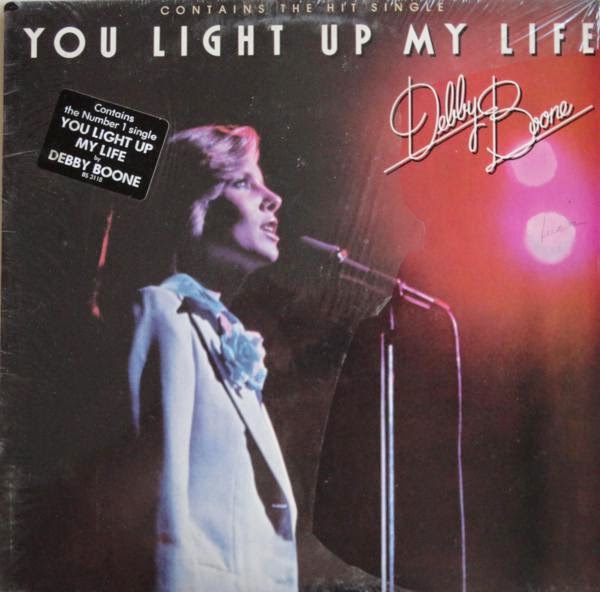
The role of Sadko today is being played by Richard Harris. Scooter the Wonder Dog will be played by Henhouse Five Plus Two. The role of the Bobsie Twins is being played by The Cuff Links. The role of Ken Moss is being played by Kix. The role of Brian Carpenter is being played by the Starland Vocal Band . In the third half of the program, the role of Lenny the Listener will be played by Men without Hats.
Itzhak Perlman plays Violin Concerto No. 1 in A minor of Jean-Baptiste Accolay Allegro Moderato
The world-famous French organist Marie-Claire Alain (died February 26th, 2013 at the age of 86) plays Litanies by her brother Jehan Alain (1911-1940) on the great organ of the Hofkirche in Luzerne, Switzerland.
This piece, one Jehan Alain's earliest, "Variations sur un thème de Clément Jannequin", is actually no such thing. Scholarship since Alain's death has identified the theme as being by a pen other than Jannequin's.
Gilbert Amy This recording is taken from an old LP - long out of print - recorded by Pierre Segond (to whom the piece is dedicated) at the Reformed Cathedral of Saint Pierre in Geneva on a large Metzler organ of 1965. A particular thank you must go to Segond's arguably most famous pupil, American theatre organist Llewellyn ("Lew") Williams (of the Organ Stop Pizza restaurant, Mesa, Arizona, with its four-manual, 78-rank Wurlitzer), who sent me this fantastic recording.
Angel S 37247 d'Indy Symphony on French Mountain Air Orchestre de Paris; Serge Baudo,
conductor. Franck
Symphonic Var & Les Djinns; Ciccolini, Paul Strauss, Orchestre de Liege
The French harpsichord. Angel [1973] Rameau, J.P. Suite in A minor.--Dandrieu, J.F. Suite in C major. Igor Kipnis, harpsichord
Tuesday, April 15, 2014
Easter Sunday

Easter 2014
ENRIQUE GRANADOS:Danzas espanolas, Op.37, No.2, Oriental Born in the ancient Russian village of Murom in 1920, pianist Oleg Boshniakovich began his musical training with his aunt, Anna Klekova, a celebrated teacher in Murom. In 1934, Boshniakovich moved to Moscow and entered the Central Music School of the Moscow Conservatory, and then into the Conservatory itself - studying with Professor Konstantin Igumnov. Following a brief interruption brought upon by the Second World War, Boshniakoich resumed his studies with the legendary pianist Heinrich Neuhause.
The Easter Tales, Here comes Peter Cotton Tail, Easter Party Music
Penderecki, Krzysztof, 1933- Utrenja. The entombment of Christ. RCA Red Seal [1971] Stefania Woytowicz, soprano; Kerstin Meyer, mezzo-soprano; Seth McCoy tenor; Bernard Ladysz, Peter Lagger, basses; Temple University Choirs; Philadelphia Orchestra; Eugene Ormandy, conductor; sung in Old Slavonic.
VALERI KIKTA:Easter Chants of Old Russia, Resurrect, O the Lord Valeri Kikta (October 22, 1941, in Vladmirovka, a village near Donetsk, Ukraine) is a Ukrainian classical composer.
He was educated at the Moscow Choral College, then at the Moscow Conservatoire under Semyon Bogatyryov and Tikhon Khrennikov. On the recommendation of Shostakovich he moved on to post-graduate study. Kikta's compositions include ballets, symphonic, organ and choral works. These include Beyond the Verge of Darkness for tenor and orchestra, and Frescos of the St. Sofia Cathedral of Kiev for harp and orchestra. He was recorded extensively by the USSR state recording company, Melodiya in the 1970s and 1980s.
The Easter Tales, The Bunny Hop, Easter Party Music
Poulenc, Francis,|d1899-1963.
Bach, Johann Sebastian, 1685-1750. Oster-Oratorium. Easter oratorio, BWV 249. Angel [1966] Teresa Zylis-Gara, soprano; Patricia Johnson, alto; Theo Altmeyer, tenor; Dietrich Fischer-Dieskau, baritone; South German Madrigal Choir: Southwest German Chamber Orchestra; Wolfgang Gönnenwein, conductor.
ANATOLY KISSELEV:Stichera of the Easter Stichera of the Easter Work Large Choir of Belorussian Radio and TV Chorus/Choir, V. Rovdo Conductor Anatoly Kisselev was born in Moscow in 1948, and received his training at the Moscow State Choral School (1955-65), studying with Alexander Sveshnikov, Nikolay Demyanov, Victor Rovdo, and Alexander Flyarkovsky; as well as at the Moscow Conservatory (1965-70), studying orchestration and composition with Alfred Schnittke - who recommended Kisselev to the Soviet Union of Composers.
The Easter Tales, The Easter Parade, Easter Party Music
ALEXEY LARIN:Russian Passion, oratorio for soloists, choir, organ and percussion (1994), 14.Easter 15. Alleluia Kapella Moscow Kremlin Chorus/Choir Gennady Dmitryak, Conductor
The Easter Tales – Eggbert The Easter Egg, Easter Party Music
SERGEY LIAPUNOV:4 Songs, Op.14, 4.Vostochnïy romans (Eastern Romance)Vladimir Miller, Bass S. Uryvaev, Piano
The Easter Tales – My Choc'late Rabbit, Easter Party Music
SERGEY RACHMANINOV:Suite No.1 for 2 Pianos, Op.5, 4.Easter Turkina Duo Julia and Galina Turkina formed perhaps the most celebrated piano duo in Russia, with an active performance career spanning from 1937 to Galina's death in 1999. Both studied piano at the Central Music School in Moscow, where their principal teachers were Vasily Argamakov, Konstantin Igumnov, Ilia Kliachko, and Alexander Goldenveiser. During their illustrious careers they worked closely with a number of important composers - including Dmitri Shostakovich and Aram Khachaturian, often collaborating in preparation of a new work. Among the composers who have written works expressly for the Duo include Sergei Evseev, Vasily Argamakov, Nikolai Peiko, and American composer Jon Appleton.
The Easter Tales – The Funny Little Bunny With The Powder Puff Tail, Easter Party Music
NIKOLOAI RIMSKY-KORSAKOV:4 Songs, Op.2, 2.Vostochnïy romans: Plenivshis' rozoy, solovey (Eastern Song: Enslaved by the Rose, the Nightingale) Margarita Mamsirova
A multi-faceted talent,with professional skills, a rare tone of voice - coloratura mezzo soprano, artistry and bright appearance allowed MB Mamsirovoy to gain true recognition and the opportunity to act in the best opera houses in Russia and Europe.
MB Mamsirova is the recipient of many awards and the student of opera singers. In 1999 she received the Russian theater award "Magic rocker" (Moscow) as "Best Actress" for his performance as Laura in the opera "The Stone Guest" by Dargomyzhsky.
The repertoire of the MB Mamsirovoy includes a large number of complicated opera roles of Russian and foreign composers, including highlights of Carmen ("Carmen" by Bizet), Rosina ("Barber of Seville" by Rossini), Cinderella ("Cinderella" by Rossini), Delilah (" Samson and Delilah "Camille Saint-Saens), Olga (" Eugene Onegin "by Tchaikovsky), Laura (" Iolanthe "Tchaikovsky), Amneris (" Aida "by Verdi), Lyubasha (" The Tsar's Bride "by N. Rimsky-Korsakov), Eboli ("Don Carlos" G. Verdi), Marina Mnishek ("Boris Godunov" by Modest Mussorgsky) and many others.
MB Mamsirova leads an active concert and touring schedule. Included in The repertoire of Mamsirovoy, along with the world of classical vocal literature, are Circassian folk songs,which the singer who performs with special awe and affection.
In 2001 M. Mamsirova took part in a gala concert dedicated to the 10th anniversary of the founding of the Republic of Adygea with a brilliant solo concert at the State Philharmonic of the Republic of Adygea. In 2002 she performed in the city of Maikop, a joint solo soloist with the Bolshoi Theatre of Russia Roman Muravitsky tenor, and in 2006 took part in the concert in which artists celebrated the 15th anniversary of the founding of the Republic of Adygea, as well as performing a solo concert, which is dedicated to her native land.
For her great contribution to the development of musical culture of the Republic of Adygea Mamsirovoy was awarded the honorary title "Honored Artist of the Republic of Adygea."
King's College Choir, Cambridge – Jesus Christ is risen today (Easter Hymn), 100 Best Hymns
RIMSKY-KORSAKOV: Russian Easter Overture, Moscow Symphony Orchestra, conducted by Ken Moss
Swedish Chamber Orchestra – Oratorium Festo Paschali: Kommt, eilet und laufet (Easter Oratorio), BWV 249: Oratorium Festo Paschali: Kommt, eilet und laufet (Easter Oratorio), BWV 249: II. Adagio Johann Sebastian Bach – Bach: Oboe Concertos
PAVEL TSCHESNOKOV:Easter Prayer, Academy of Choral Arts, Moscow Chorus/Choir, V. Ladjuk Voice, Viktor Popov Conductor
Iraida Yusupova, Composer From Faust's Fragments Easter Angel's Choir (text by Boris Pasternak) Yusupova, Iraida, Piano Ave Maria Chamber Ensemble Goodkov, V. Voice (Taped), Dmitry Cheglakov, Cello
Subscribe to:
Posts (Atom)
